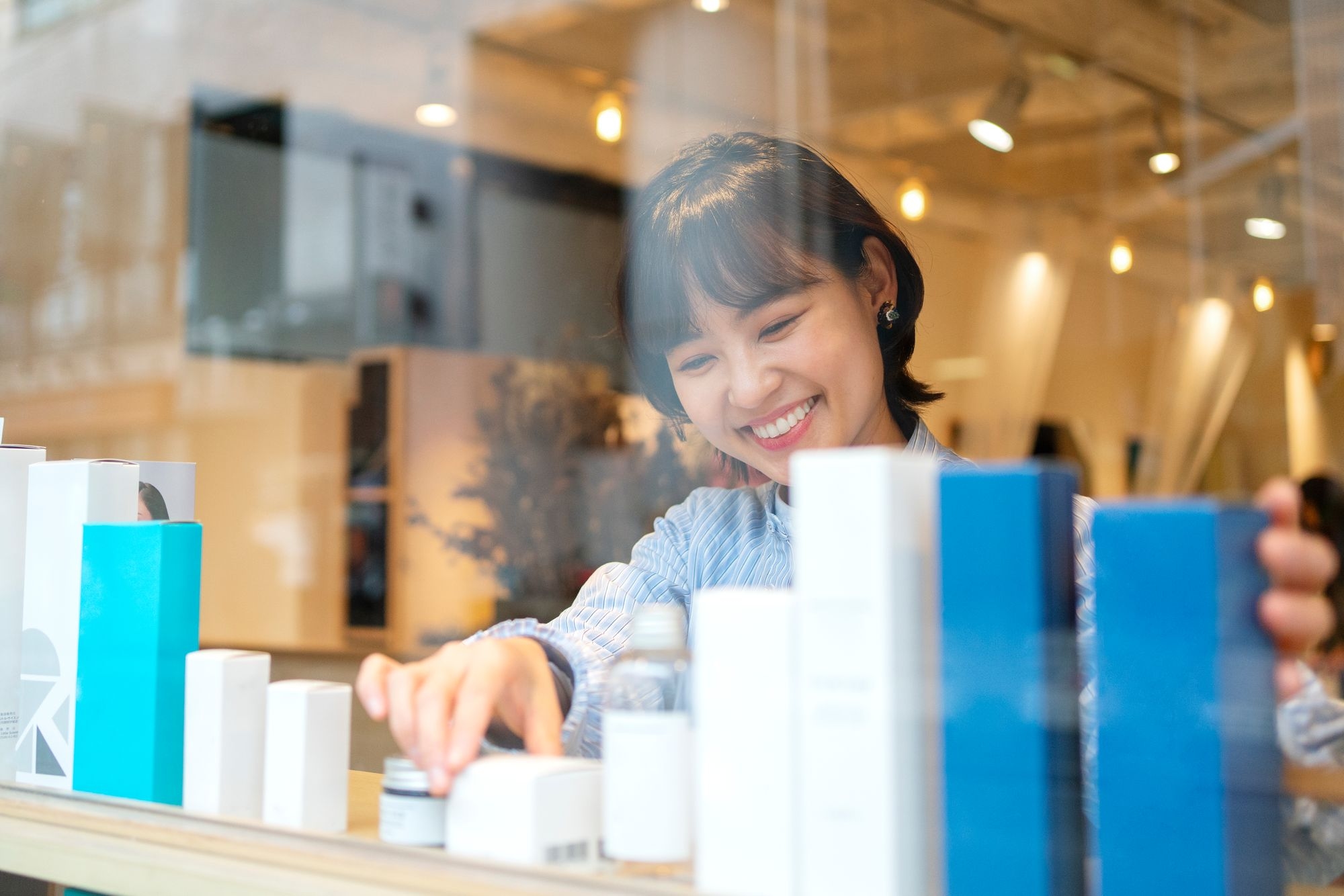
In the ever-evolving landscape of the beauty industry, the offline distribution of Korean cosmetics stands as a dynamic and multifaceted domain that plays a pivotal role in connecting consumers with their favorite Korean beauty products. As we delve into this intricate realm, we will explore the diverse channels through which Korean cosmetics reach global consumers, fostering a unique and immersive shopping experience. This blog post aims to shed light on the various offline distribution strategies employed by Korean beauty brands, offering insights into their impact, trends, and the significance they hold in the market.
Understanding the Offline Landscape
Brick-and-Mortar Stores: The Foundation of Korean Beauty Retail
Brick-and-mortar stores serve as the foundation of Korean beauty retail, providing consumers with tangible spaces to explore and interact with products before making a purchase. Popular beauty stores and strategically placed counters in department stores offer not only a wide product selection but also an environment where consumers can receive personalized recommendations from knowledgeable staff.
Example: Stores like Amore Seongsu, with their interactive displays, create an immersive environment where consumers can not only test products, but also engage with the brands through personalized lip and foundation color-matching services and 1:1 makeup lessons.
Specialty Beauty Boutiques: Curating the K-Beauty Experience
Specialty beauty boutiques, dedicated exclusively to Korean cosmetics, add a layer of curation and uniqueness to the offline shopping experience. These boutiques often go beyond mere product displays, creating a carefully crafted atmosphere that immerses consumers in the essence of K-beauty.
Example: Klairs Seoul, the first flagship store of Dear, Klairs, with their thematic designs and emphasis on natural ingredients, exemplify how a brand can create a curated and immersive experience within a specialty beauty boutique. The reflected eco-friendliness in their architecture and interior, which is also one of their brand philosophies.
K-Beauty Pop-Up Shops: Creating Buzz and Fostering Engagement
Pop-up shops, with their temporary and exclusive nature, generate excitement and a sense of urgency among consumers. They serve as dynamic platforms for brands to introduce new products, collaborate with influencers, and create memorable experiences that extend beyond the conventional retail setting.
Example: TonyMoly's pop-up shops featuring limited edition collaborations with popular K-pop idols, creating buzz and attracting fans for an exclusive shopping experience.
Department Store Counters: High-End Allure and Consumer Interaction
Department store counters secure prime real estate and offer a high-end allure. They play a significant role in consumer interaction and education, providing an opportunity for consumers to experience the brand in a sophisticated setting.
Example: Sulwhasoo's counters in upscale department stores, where consumers can engage with the brand's luxury skincare products in an elegant and sophisticated ambiance.
Pharmacies and Drugstores: Accessibility and Convenience
The presence of Korean cosmetics in pharmacies and drugstores adds a layer of accessibility and convenience for consumers. Drugstore refers to a complex store that deals with medicines, cosmetics, household goods, food that are separated from a regular supermarket or a convenience store. These types of stores are usually called H&B (Health & Beauty) Store.
Example: The largest drugstore chain in Korea is Olive Young, which offers an expansive range of health and beauty products through over 1,000 outlets across the country, making K-beauty more conveniently accessible than ever.
Integration of Technology: Enhancing the Offline Shopping Experience
Incorporating technology into offline retail spaces has become a trend. We will investigate how Korean cosmetics brands use augmented reality (AR) mirrors, virtual try-on experiences, and other technological innovations to enhance the overall shopping experience.
Example: During the COVID-19 pandemic, Amorepacific’s use of AR mirrors allowed customers to virtually try on makeup products, even when they’re wearing a mask on. While this minimizes the spread of a contagious virus by limiting physical testing of products, it also enhances the interactive and futuristic aspects of the in-store experience.
By understanding the role of brick-and-mortar stores, specialty boutiques, pop-up shops, department store counters, pharmacies, and technological innovations, we can gain valuable insights into how Korean beauty brands navigate and thrive in the diverse landscape of offline distribution.


.png&w=3840&q=100)
.png&w=3840&q=100)
.png&w=3840&q=100)
.png&w=3840&q=100)