K-Beauty Trend: Character Collaborations in Beauty — Korea vs. USA
One of the most visible K-beauty trends in recent years is the rise of character collaborations in cosmetic products.
Across the global beauty industry, recognizable characters are increasingly used to create attention, drive social media engagement, and differentiate packaging. A familiar character can transform an ordinary skincare or makeup product into something more collectible and visually distinctive.
However, the way these collaborations influence consumer behavior differs significantly between regions.
In South Korea, character collaborations often spread quickly through visual culture and social media sharing.
In the United States, the same collaborations tend to function more as limited events built around entertainment fandom.
For resellers and distributors following K-beauty trends, understanding these regional differences is important because demand forms in different ways.
Character Collaborations as a K-Beauty Trend
In Korea, cosmetics are often treated as lifestyle products rather than purely functional items. Packaging design, color aesthetics, and visual identity play a central role in how consumers experience beauty products.
This environment has helped character collaborations become a consistent K-beauty trend.
Most Korean character collaborations are released as limited editions, but scarcity alone is not the primary driver of demand. Instead, visual appeal and cultural familiarity often generate attention first.
Collaborations with well-known Korean characters illustrate this dynamic.
For example, partnerships involving LINE Friends and beauty brands such as CLIO Cosmetics and TonyMoly turned everyday makeup products into visually distinctive items that felt closer to character merchandise.
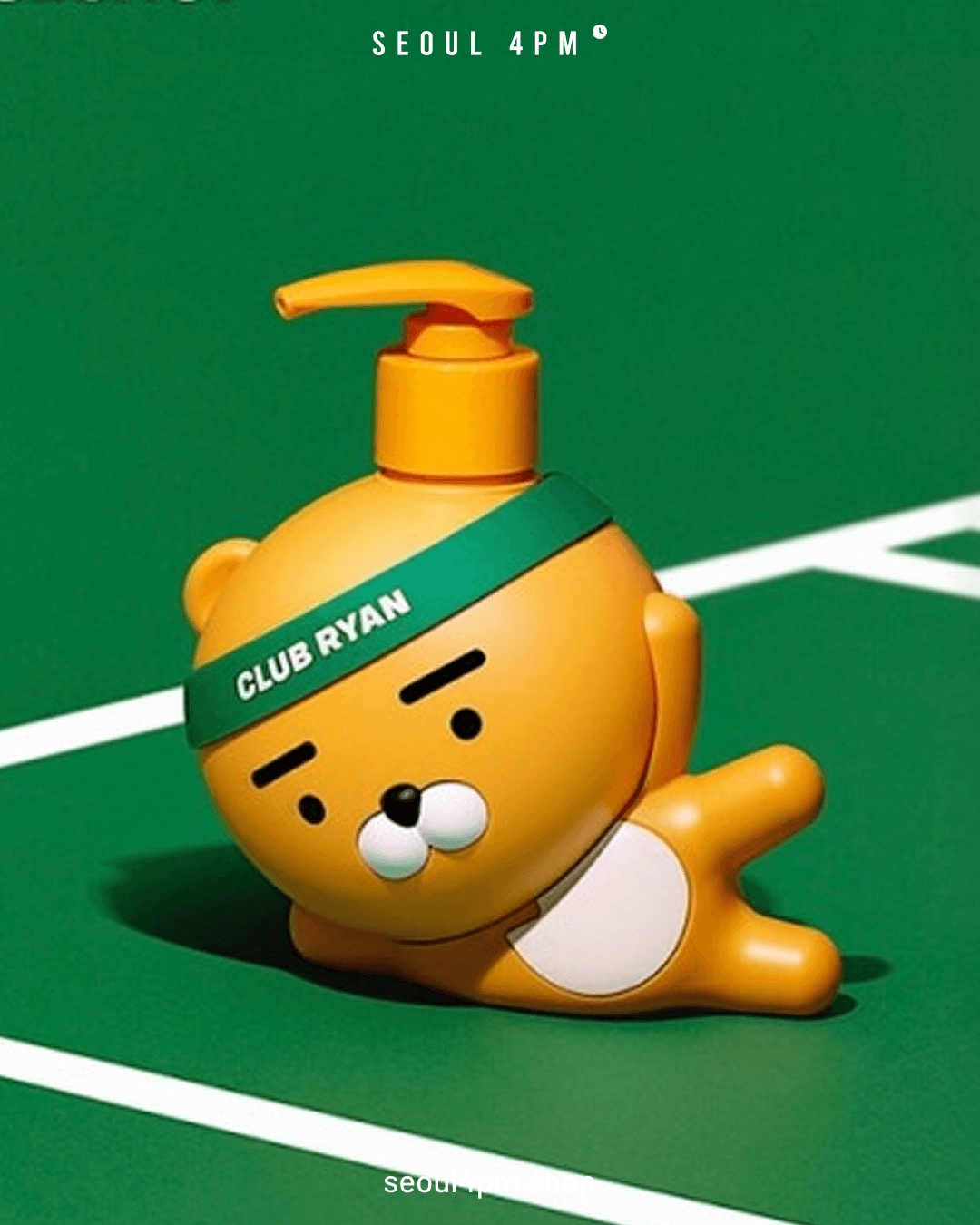
Similarly, products featuring Kakao Friends characters have repeatedly generated strong sales across multiple Korean beauty brands. Because these characters are already widely recognized in Korea, new releases quickly attract attention.
What makes this K-beauty trend particularly powerful is the role of social media.
When visually distinctive products appear in Instagram posts, TikTok videos, or unboxing content, they can gain rapid visibility. Demand frequently grows during the early days after launch as images spread across social platforms.
For resellers, this means social exposure often acts as the first indicator of potential demand. Products that gain early traction online may sell out faster than standard versions of the same item.
Character Collaborations in the U.S. Beauty Market
The American beauty market also uses character collaborations, but the strategy tends to follow a different pattern.
While many collaborations are still released as limited editions, they are often framed as special collections connected to entertainment franchises or fan communities.
For instance, ColourPop has launched multiple themed collections tied to popular films and characters, including releases inspired by animated franchises. These collections typically generate strong initial interest but remain available only for a limited period.
A similar approach appeared when Fenty Beauty partnered with the Netflix series Arcane. The collaboration focused on connecting with the show’s existing fan base while maintaining the brand’s core aesthetic.
Even earlier examples such as **MAC Cosmetics × Hello Kitty demonstrate this pattern. The collaboration attracted attention largely because of its collectible nature and limited availability.
Compared with Korea, the demand cycle in the United States is often shaped more directly by fan communities and franchise popularity.
Instead of gradually building momentum through packaging aesthetics and social sharing, many American collaborations experience strong demand immediately after launch when fans rush to purchase items connected to their favorite characters or franchises.
Why the Markets Show Different Demand Patterns
Although both regions rely on limited releases, the motivations behind consumer purchases differ.
In Korea, the visual identity of the product plays a major role. Consumers frequently share beauty purchases online, which turns attractive packaging into social media content. This dynamic reinforces character collaborations as an ongoing K-beauty trend, particularly among younger consumers.
In the United States, beauty purchasing behavior often intersects with entertainment fandoms. When a collaboration connects with a well-known film, series, or character franchise, existing fan communities can drive immediate interest.
These differences lead to distinct demand patterns.
Korean collaborations often gain traction through social visibility and design appeal, while American collaborations tend to generate demand through fandom enthusiasm and franchise recognition.
Implications for Resellers Following K-Beauty Trends
For resellers working with Korean beauty products, monitoring social media visibility can be extremely valuable.
When a new collaboration begins circulating widely online, demand may increase rapidly. Because many Korean character collaborations are released in limited quantities, inventory can become difficult to source once social momentum builds.
Understanding this dynamic is important for identifying emerging K-beauty trends early.
In contrast, the U.S. market often rewards timing around official launch windows. Products tied to major entertainment franchises can sell out quickly through primary retail channels. Once that happens, secondary demand from collectors may appear almost immediately.
Pricing strategies also differ.
Korean collaboration products often move through inventory more quickly, which makes moderate margins combined with faster turnover a practical approach.
American limited editions sometimes support higher margins due to perceived collectability, although demand can be more unpredictable if the franchise appeal is overestimated.
Conclusion: What This K-Beauty Trend Reveals About Global Beauty Marketing
Character collaborations have become an important part of the global cosmetics landscape, and they remain one of the most visible K-beauty trends shaping product design and marketing strategies.
In Korea, these collaborations thrive in a visual culture driven by social sharing and recognizable characters. Even when released as limited editions, their popularity is often fueled by packaging aesthetics and online visibility.
In the United States, collaborations frequently function as collectible releases connected to entertainment properties and fan communities.
For resellers, understanding these differences is essential. Recognizing whether demand is likely to emerge from social momentum or fandom enthusiasm can help identify profitable opportunities in the evolving global beauty market.


.png&w=3840&q=100)
.png&w=3840&q=100)
.png&w=3840&q=100)
.png&w=3840&q=100)